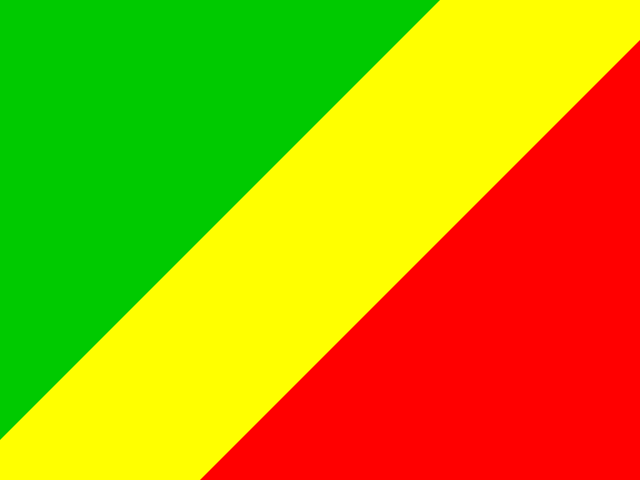
 Congo-Brazzaville
aller au pas de caméléon
“to go at the chameleon's pace”
to move very slowly
In Congo-Brazzaville, this expression describes someone moving at the famously slow, deliberate pace of a chameleon, one careful step at a time.
17 idioms
Every one of the eleven countries pooled here became independent in the same year, 1960, ten of them from France and DR Congo from Belgium. French stayed on because it already ran the ministries and the schools, and because it belonged to no one ethnic group, which made it the fairest common language in countries that have dozens. It has since made itself at home. Kinshasa is the biggest French-speaking city on earth, Abidjan has grown its own slang, Nouchi, and Cameroon speaks Camfranglais. Most people learn French at school on top of Lingala, Wolof or Bambara, so the grammar tends to be careful and the vocabulary is where the fun is: an affair is a deuxième bureau, gossip is radio trottoir, and in Congo “article quinze” means fend for yourself. The Francophonie's 2026 count put 65% of the world's French speakers in Africa, and expects nine in ten to be there by 2050.
Congo-Brazzaville
“to go at the chameleon's pace”
to move very slowly
In Congo-Brazzaville, this expression describes someone moving at the famously slow, deliberate pace of a chameleon, one careful step at a time.
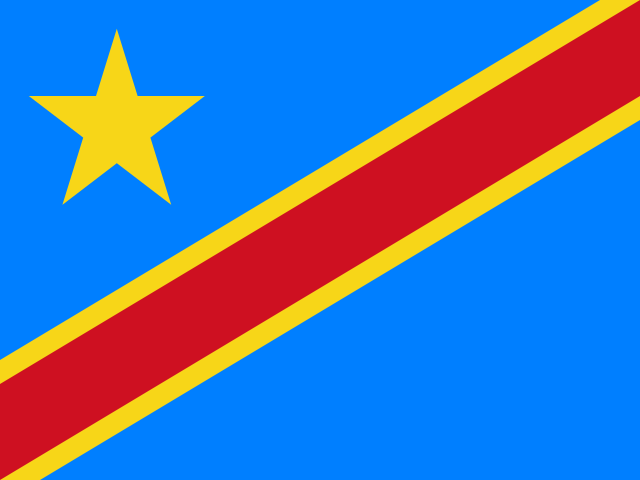 DRC
DRC
“article fifteen”
fend for yourself by any means necessary
In the DRC, 'article quinze' is an imaginary law that says 'débrouillez-vous!', figure it out yourself. It captures the Congolese spirit of survival and resourcefulness.
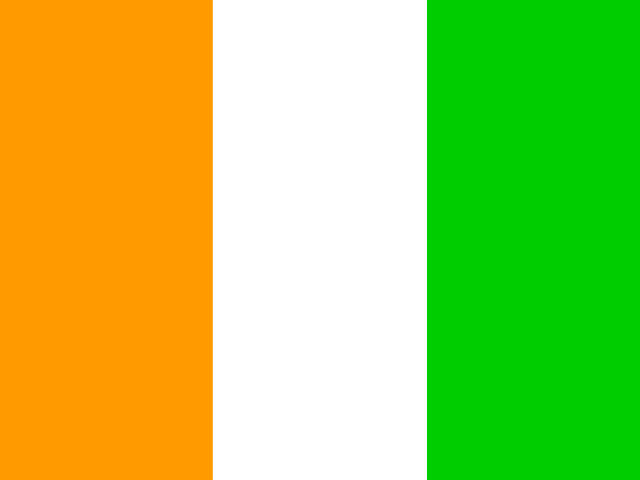 Côte d’Ivoire
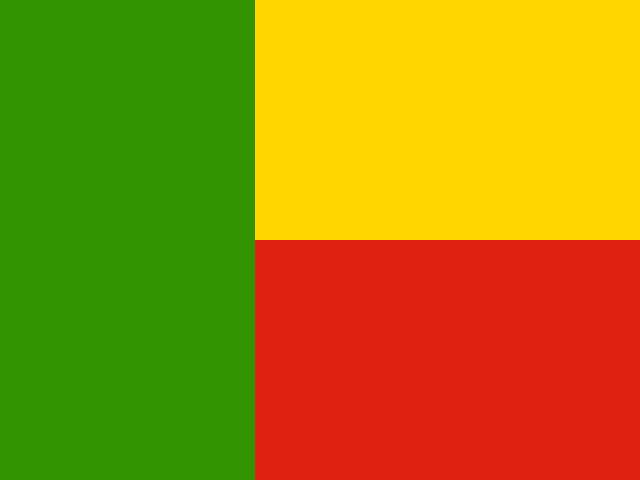 Benin
Benin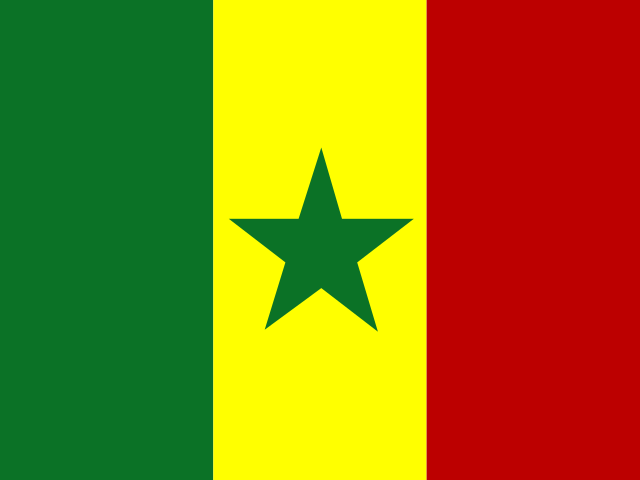 Senegal
“to have a sweet mouth”
to be persuasive
Describes someone who is skilled at convincing others through smooth, persuasive speech, often to get what they want.
DRCCongo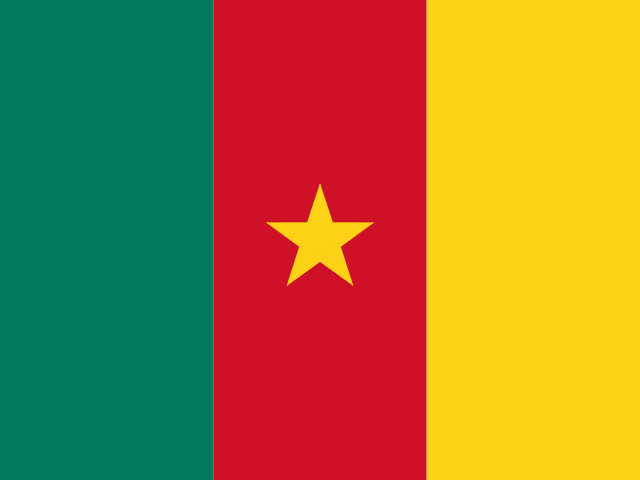 Cameroon
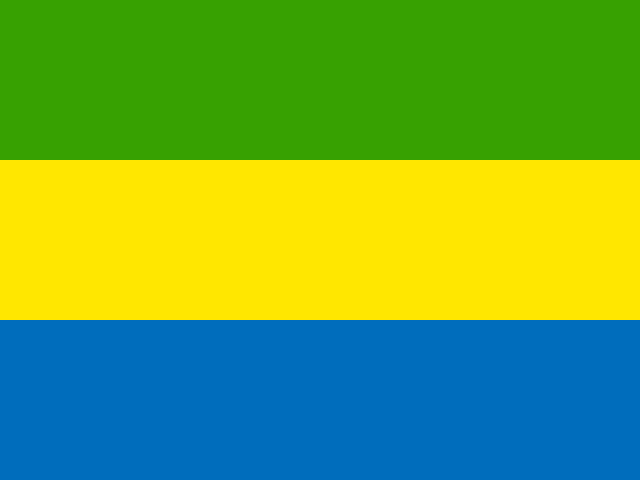 Gabon
Gabon
“to have a second office”
to have a mistress
In Central African French, a man's 'deuxième bureau' is his mistress, a euphemism drawn from the world of offices and administration, where a 'second office' is where unofficial business happens.
DRCCongo
“to break the pen”
to drop out of school
In Congolese French, 'le bic' (from the Bic pen brand) represents school and studying. Breaking it means giving up on education.
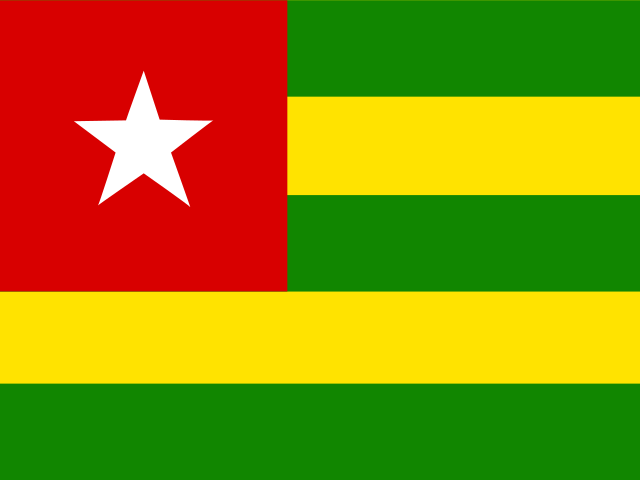 Togo
Togo
“dressed bodies”
a country's uniformed security services collectively
Newsroom and political shorthand for the state's uniformed services taken together: police, army, gendarmerie, customs and the rest. Current across Francophone Africa and best documented in Togo, it turns up constantly in reporting on coups, security sector reform and crackdowns, treating the men and women in uniform as one bloc rather than naming any single service.
Côte d’Ivoire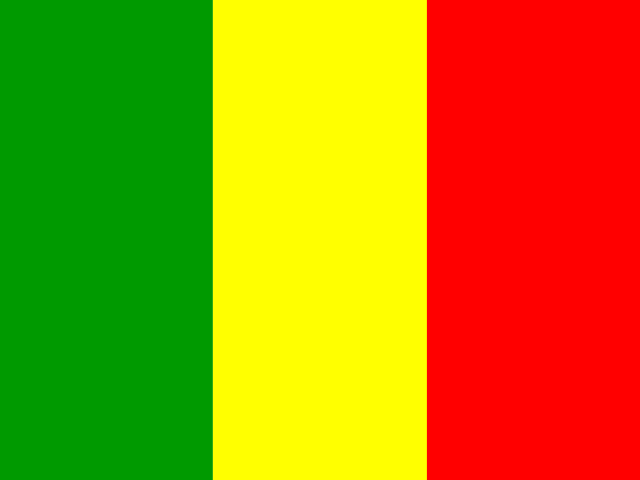 Mali
Mali
“to ask for the road”
to politely take your leave from someone
A courteous way of signalling you're about to leave, asking your host's blessing before heading off.
Côte d’IvoireMali
“to give the road”
to bid someone farewell as they set off
A warm send-off said when someone takes their leave, answering the polite request 'demander la route' (to ask for the road).
Senegal
“to make a shop of my arse”
to earn your living through prostitution
Sex work described in the flat language of retail, where you keep a shop and the shop is your own backside. There is no euphemism anywhere in it. The phrase is West African argot, and it has followed the people who use it into French fiction as well.
CameroonGabon
“to do the kongossa (Douala word)”
to spread rumours and gossip
'Kongossa' comes from the Douala language of Cameroon and means gossip or rumour. 'Faire le kongossa' is the everyday way of saying someone is spreading neighbourhood news.
Côte d’IvoireSenegalMali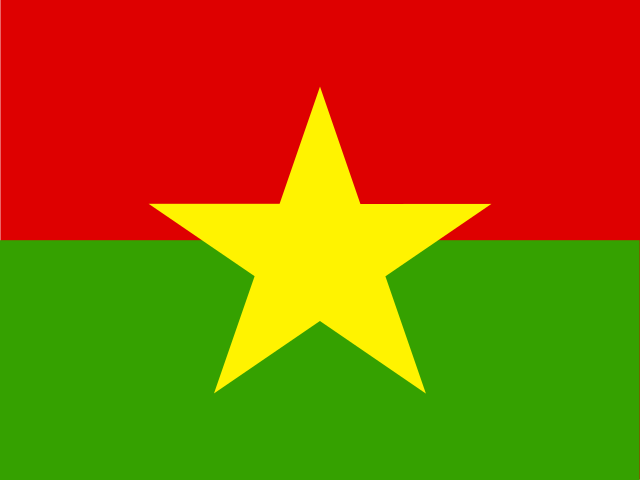 Burkina Faso
“to make palaver”
to have a lengthy discussion
Refers to holding a traditional African assembly where community matters are discussed at length to reach consensus or resolve disputes.
CameroonDRCCongo
“to spoil someone's name”
to damage someone's reputation
In Cameroon and across Central Africa, your 'nom' is your honour and public standing. To 'gâter' it means to tarnish or ruin it through scandal or bad behaviour.
Cameroon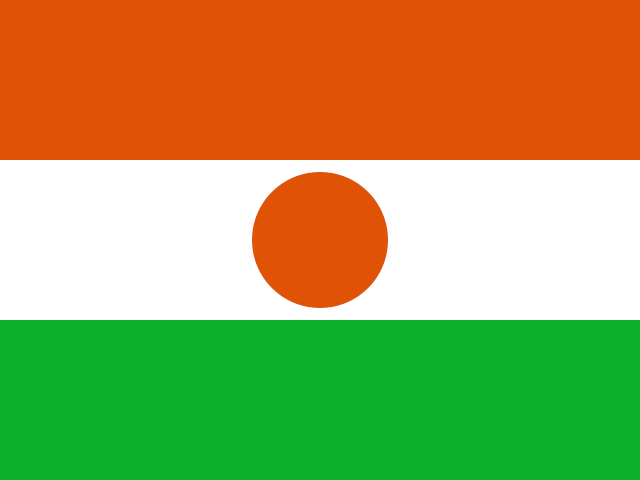 NigerSenegalBenin
“to eat the money”
to embezzle funds
Describes corruption where a person in a position of trust appropriates money for personal benefit rather than its intended purpose.
CameroonDRC
“to wet someone's beard”
to bribe someone
In Central African French, wetting someone's beard means slipping them money to get a favour, the beard being a symbol of authority that needs 'refreshing' with cash.
DR CongoCongo-BrazzavilleGabon
“pavement radio”
unofficial news that spreads by word of mouth
It's the informal news network people rely on when the official press can't be trusted or reached, especially widespread across Central Africa.
Abidjan
“to ambiance oneself”
to party
Means to go out and have fun, especially to nightclubs or parties, enjoying a festive atmosphere.
SenegalCôte d’Ivoire
“to make oneself a toubab (Mandingue word for a European/white person)”
to take on European ways and manners
Used, often disapprovingly, for someone who's started acting, dressing or talking like a European rather than staying true to home.